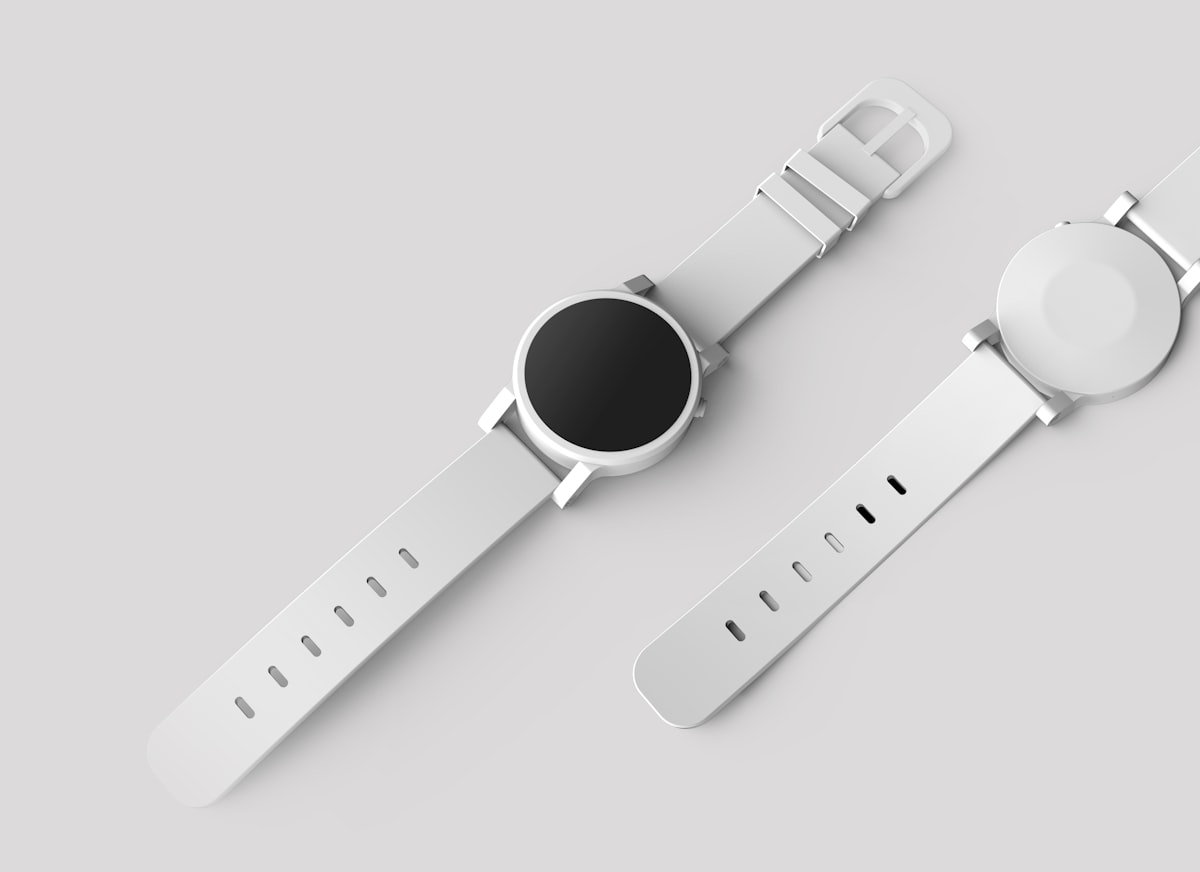
A watch is rarely a casual purchase, and the DMs reflect that — questions about authenticity, box and papers, strap size, and condition, often from a customer who is about to spend real money and wants everything confirmed before they commit.
The first is variants for the details that actually change the price — strap material, case size, automatic versus quartz — set up once as options instead of explained fresh in every conversation.
The second is putting condition and authenticity details — box, papers, service history — directly on the product listing, so a buyer researching a specific piece finds the answer without asking and waiting.
The third is the order itself as a record: price, condition, and exact model, timestamped the moment it's placed — valuable for both sides on a purchase this size, especially if a question comes up after the fact.
The fourth matters most for sellers with only one of a piece in stock — once it's sold, the listing reflects that immediately, so a second interested buyer isn't told "yes, available" by mistake.
The fifth is the customers who come back — for themselves, or buying a piece as a gift for someone else — reordering from history instead of re-explaining which exact reference number they're after.
A watch still sells on trust built through photos, detail, and a seller's reputation. What changes with an itemized, timestamped order is that trust doesn't have to survive on memory alone once the sale is made.